Why Some Portland Sellers End Up Decommissioning the Same Oil Tank Twice
September 24, 2026
September 24, 2026
The vent pipe is usually the tell. A thin, capped length of pipe running two to eight feet up the side of an older Portland home, easy to mistake for plumbing vent or dryer exhaust until an inspector points to it and asks whether anyone has ever seen paperwork for a tank. In pre-1970 homes across the east side, that conversation happens often enough that it barely counts as a surprise anymore. What still catches sellers off guard is what comes next: they already paid to have the tank decommissioned, years ago, and the buyer's lender wants it done again.
That second-decommissioning problem is the part of this story most guides skip, and it is worth understanding before you list, not after an inspector finds the pipe.
Oregon does not require you to dig up or remove a buried heating oil tank before selling a home. Under ORS 466.878, a seller's legal obligation comes down to three things: make sure any known abandoned tank has been emptied of oil, hand the buyer documentation proving it, and leave the vent line in place and open if the tank hasn't been formally decommissioned. That's the floor.
Actual decommissioning, meaning the tank is cleaned, then either pulled from the ground or filled in place with an inert material like sand or gravel, is voluntary under state law. Oregon's own statute governing the process is literally titled "Certification of voluntary decommissioning." Sellers also have to answer specific questions about tanks on the state's Seller's Property Disclosure Statement, so silence isn't an option even when removal isn't required.
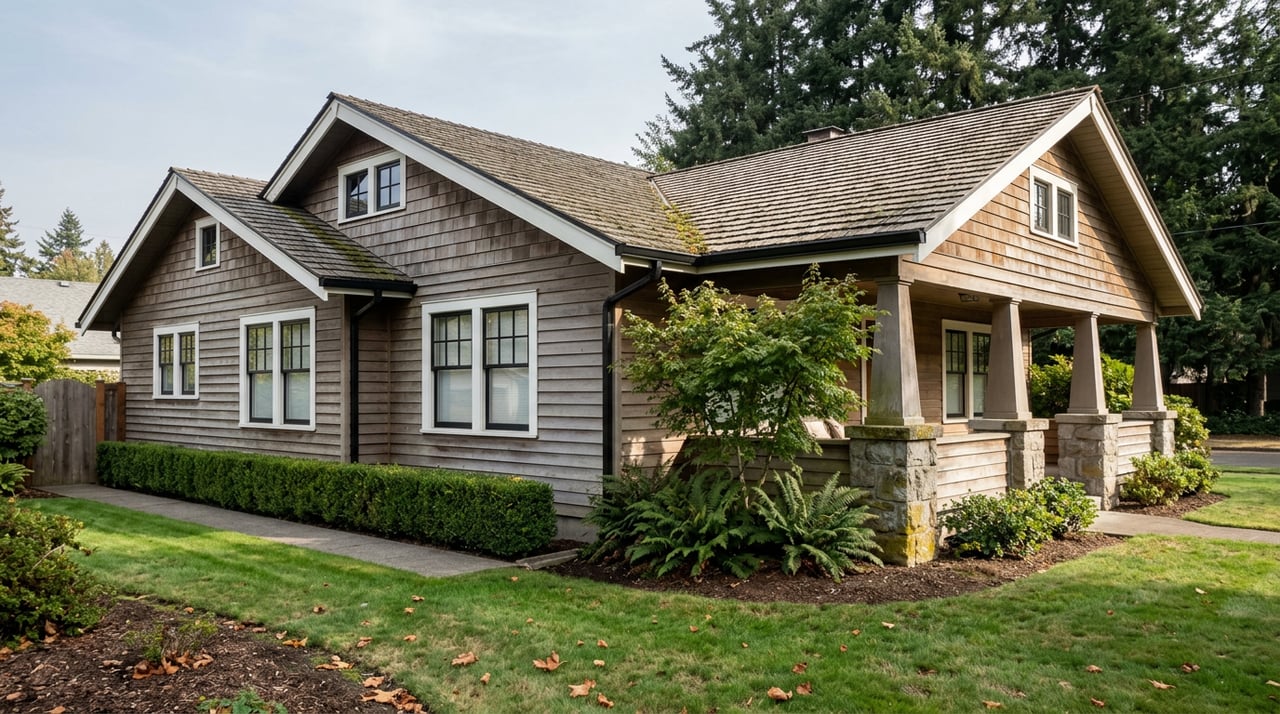
If you own a home built before roughly 1970 in Alameda, Laurelhurst, Irvington, Eastmoreland, Sellwood-Moreland, or almost anywhere else on Portland's east side, there's a real chance a steel tank has been sitting under the yard since the Eisenhower administration. Oil was the dominant home heating fuel in the Portland area from the 1930s through the late 1960s, and the shift to natural gas happened gradually enough, neighborhood by neighborhood, that an estimated 70,000 to 100,000 residential tanks were installed across the metro area before conversions caught up. Plenty were simply abandoned in place when the furnace changed over, no removal required at the time.
Here's where the gap opens up. Decommissioning may be legally optional, but Portland buyers and their lenders routinely treat a DEQ decommissioning letter, backed by clean soil samples, as a condition of closing. A disclosed tank with no paperwork behind it reads as risk to a buyer's agent, and "there's a tank, but we're selling as-is" rarely survives that conversation intact. The document that actually resolves the concern is the DEQ closure letter, not the seller's assurance that the tank was emptied years ago.
That gap between the legal minimum and what the market expects is where sellers lose negotiating room, usually during the inspection period, usually with a closing date already on the calendar.
The dollar amounts here vary enormously depending on which path you're on, and conflating them is how sellers end up either overpaying for peace of mind or badly underestimating a real problem.
| Step | Clean path | If contamination is found |
|---|---|---|
| Locate the tank | $100–$200 | same |
| Soil sampling | $200–$300 | same starting point, more samples if needed |
| Contractor labor (removal or fill-in-place) | roughly $1,800–$2,500 for a typical 550-gallon underground tank | varies with excavation scope |
| DEQ filing fee | $104 per project (effective April 2024) | $260–$468 depending on complexity |
| Cleanup and remediation | not applicable | can run from the low five figures well into six figures once petroleum reaches groundwater |
A straightforward clean decommissioning in Portland typically lands around $2,000 to $2,800 all in, which works out to roughly half a percent of a median-priced home in the metro. Contamination changes the math entirely. If a leak is discovered, Oregon requires it be reported to DEQ within 72 hours, and the current owner is responsible for cleanup even if the leak happened before they bought the property. That last point surprises people every time: buying a home with a known, unaddressed tank means inheriting whatever is under it, including a leak that started decades earlier.
Here's the wrinkle that catches even prepared sellers. Two chemicals commonly found in heating oil, naphthalene and ethylbenzene, weren't classified as carcinogens until 2009. Decommissionings completed before that year followed the standards of their time, which means the soil testing may not have screened for compounds regulators now consider a health concern. A homeowner who did everything right in 2003, hired a licensed provider, filed the paperwork, filed the DEQ closure letter, can still be asked by a 2026 buyer's lender for a fresh site assessment.
There's a second wrinkle stacked on top of the first: DEQ will not accept site assessment data older than 90 days when certifying a decommissioning or cleanup. If your listing sits on the market longer than expected, budget for the possibility that even a freshly pulled soil sample needs to be redone before closing.
None of this requires guesswork. A few concrete steps, done before a buyer's inspector finds the pipe first:
If you're selling on the Washington side of the river, in Vancouver or Camas, the financial backstop looks different. Washington's PLIA Heating Oil Loan and Grant Program can provide up to $75,000, including a cleanup grant up to $60,000 for a single tank, but the application windows run only 45 days each spring and winter, and processing has been slow. It is not something you can lean on mid-escrow.
Do I have to remove the tank before I can sell? No. Oregon law requires emptying a known abandoned tank and documenting it, not removing it. Whether a buyer will accept that as-is is a separate, practical question.
I already decommissioned my tank years ago. Am I covered? Only fully if the work was done after 2009 and included soil testing for the full range of chemicals now on the regulatory list. If it predates that, expect some buyers to ask for a retest.
Who typically pays if a tank turns up during escrow? It varies by negotiation, but the current owner bears the legal cleanup responsibility regardless of when the tank was installed or when it started leaking, so this usually gets resolved in the seller's column one way or another.
An old oil tank is not a reason to panic about selling a Portland home, and it is not rare enough to be treated as an anomaly. It is a known, well-understood part of owning property on the east side, with a process that works when you start it early. If you're weighing whether your home might have one, or you're comparing what a decommissioning would actually cost against your timeline to list, Kristin Garnett can walk through the specifics with you and connect you with the inspectors and providers who do this work regularly across Portland and Southwest Washington. Let's Connect.
Stay up to date on the latest real estate trends.



Whether buying, selling, relocating, or navigating a major life transition, Kristin combines expertise, organization, and genuine care to create a seamless experience from start to finish.

3300 NW 185th Ave #96 Portland, OR 97229