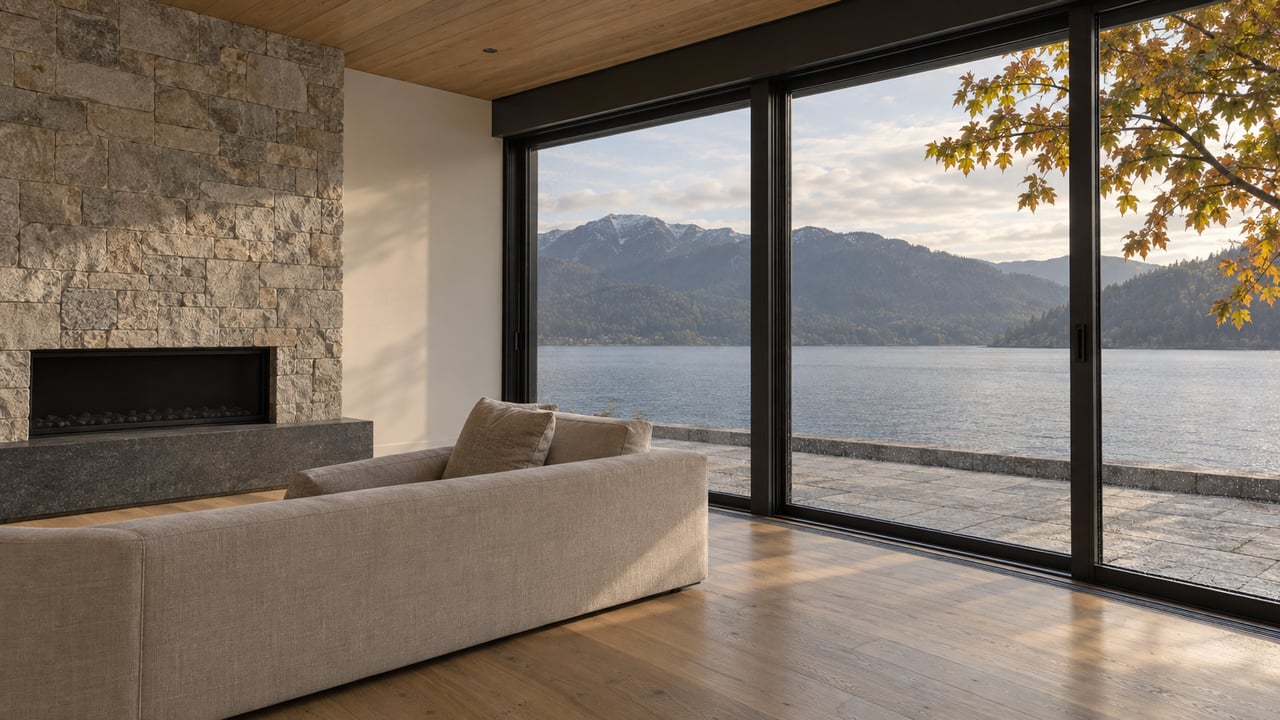
The Oswego Lake Ruling Split Lake Access Into Two Very Different Prices
October 1, 2026
October 1, 2026
Two homes go on the market three streets apart, both priced in the same band, both carrying the same line near the bottom of the listing sheet: lake easement rights included. A buyer touring both assumes they're looking at the same amenity twice. One of those homes can have a boat in the water by the following weekend. The other comes with a name on a list that, depending on the easement, hasn't moved in years. Nothing on the sheet tells you which one you're getting.
That gap exists because Oswego Lake isn't one lake with one set of rules. It's a private lake managed by the Lake Oswego Corporation, and access to it runs through 20 separate easements, each governed by its own volunteer board, its own bylaws, and its own fee schedule. More than 3,000 homes in the city carry deeded eligibility for one of these easements. None of that eligibility can be bought, sold, or added to a home after the fact. It's tied to the deed itself, a right that traces back to real property instruments the Oregon Iron and Steel Company recorded generations ago.
What makes this worth untangling now, rather than treating it as background trivia, is that a 14-year lawsuit just changed what part of that access is actually scarce. The court didn't open the lake. It opened one entry point, for one kind of use, and left the rest of the system exactly as private as it's always been.
Every easement charges its own initiation fee and annual dues, and every easement has its own physical capacity: a fixed number of boat slips, kayak racks, or swim spots that doesn't grow just because demand does. Uplands, at 1880 North Shore Road, charges a $1,500 one-time initiation fee and $475 in annual dues, with a separate $850 fee to actually claim one of its 10 boat slips. As of this year, that slip waitlist runs 29 members deep. Forest Hills, a few coves over, charges more up front: a $3,500 initiation fee, $775 in annual dues, and a $3,500 fee for a boat slip, with kayak and paddleboard rack space priced at $475 per item.
Price alone doesn't predict how long you'll wait. Blue Heron keeps annual dues around $200 and currently has about two dozen boat slips available, so a new member can often get on the water the same season they join. Goodin charges similar dues but has a powerboat waitlist running 44 people deep and a rack waitlist of 73. Two easements, nearly identical cost of entry, completely different odds of ever using what you paid for.
On top of whatever the local easement charges, every member also pays a separate annual fee directly to the Lake Oswego Corporation for water quality and lake maintenance, tiered by how you plan to use the water. In recent years that fee has run in the neighborhood of $200 for swim-only access and well over $1,300 for powerboat access, and it has climbed each cycle as maintenance costs have risen. None of this shows up as a single line item on an MLS sheet. It shows up when you call the easement's officer and ask what the dues actually cover and how long the current wait is for the amenity you want.
| Uplands | Forest Hills | |
|---|---|---|
| One-time initiation fee | $1,500 | $3,500 |
| Annual dues | $475 | $775 |
| Boat slip fee | $850 | $3,500 |
| Boat slips | 10 | 20 |
| Slip waitlist | 29 | — |
Even the small, human side of running these associations shows up in the details. One easement's spring 2026 dues notice to members mentioned that it still can't process credit cards, and asked anyone not renewing to mail back their gate keys before the association starts sending what it called "increasingly dire" reminder emails. These are volunteer-run neighborhood clubs with real budgets and real turnover, not amenities a builder installed.
The variation between easements shows up in closing prices too, not just in dues. Across 489 closed detached home sales in Lake Oswego in 2025, the median sale price came in at $1.1 million, but the average sale price was $1,419,959, a gap of roughly $320,000 that reflects how much a relatively small number of lakefront and luxury sales pull the top end upward. The highest single sale of the year closed at $9.45 million. Nearly two-thirds of all 2025 sales, 64.8 percent, closed below their asking price, which tells a buyer there was real room to negotiate even in a market with strong headline numbers.
Broken out by area, the spread gets more specific. Lakefront properties along Oswego Lake carried a median price above $6.8 million in 2025. Forest Hills and Uplands, the two easements detailed above, both had median home prices above $2 million. Mountain Park, which sits well back from the water, offered the most accessible entry point in the city at a median of $805,000, and Lake Forest came in with a median in the low $700,000s. Roughly 31 percent of all 2025 sales in Lake Oswego closed above $1.5 million, and that segment is where deeded lake access is doing genuine work on price, not just where the biggest houses happen to sit.
Put plainly, the easement isn't a bonus feature layered on top of a home's value. In neighborhoods like Forest Hills and Uplands, it's a meaningful share of what the price is actually pricing in.
The case behind all of this started in 2012, when kayaker and attorney Mark Kramer and open-water swimmer Todd Prager sued the City of Lake Oswego over an ordinance that blocked public entry to the lake through three city-owned parks. The Oregon Supreme Court sent the case back to Clackamas County Circuit Court in 2019 for more fact-finding, and in 2022 a circuit court judge ruled that the lake had been navigable at statehood, which meant Oregon's public trust doctrine applied to it. In November 2024, Judge Kathie Steele found that restricting access specifically through Millennium Plaza Park was not reasonable, while upholding the city's restrictions at the other two sites. By March 2025 she had ordered the city to stop enforcing the ban and remove the signage and barriers at that one location, and kayakers were on the water within days.
The Lake Oswego City Council voted 5-2 that April not to appeal. The Lake Oswego Corporation, the separate entity that represents shareholders and easement holders, appealed anyway, and on August 4, 2026 it filed its opening brief with the Oregon Court of Appeals, arguing the circuit court had misapplied Oregon Supreme Court precedent by extending the public trust doctrine to Lakewood Bay, a reservoir built decades after the original lake and connected to it by a man-made channel. That appeal is still pending as of this writing, which means the current access rules stay in place unless and until the court says otherwise.
What those rules actually grant is narrow. Public entry is limited to the concrete steps at lower Millennium Plaza Park, open to swimmers and non-motorized watercraft under 18 feet, during daylight hours. Motorized boats, jet skis, and trolling motors still aren't permitted there. The Oregon State Marine Board set specific regulations for the spot and placed a buoy to mark it. By last December, close to 3,200 people had used that access point since it opened, with paddleboarding the most popular activity, according to reporting from KATU. This summer marked the second full season under the rules, with only minor adjustments from the first year.
That's the detail worth sitting with if you're evaluating a home with a swim-only easement. The public can now walk down to Millennium Plaza Park and get in the water for free, using largely the same kind of access a swim-only easement provides. A boat slip is a different story entirely. Nothing in the ruling touches motorized access, and nothing in the ruling changes how a private easement allocates its slips among its own members. The court case made one narrow slice of lake access free. It left the scarce, valuable slice exactly as gated as it's always been.
Can a home gain easement rights if it doesn't already have them? No. Eligibility is tied to the deed through historical property instruments, and it can't be purchased, added, or transferred from another property.
Does "lake easement rights included" guarantee a boat slip? No. It guarantees eligibility to apply to a specific easement, and that easement's own slip count and waitlist determine whether or when you'll actually get one. Two homes can carry the same phrase and mean very different things.
If the Lake Corporation wins its appeal, does that affect my easement? Not directly. The appeal concerns public access to the lake as a whole under the public trust doctrine. The private easement system, its dues, its waitlists, and its slip allocations are a separate arrangement between the Lake Corporation and its own members, and that structure doesn't hinge on the outcome of the public access case.
If you're comparing homes with lake access in Lake Oswego and want help sorting out what a specific easement actually offers before you write an offer, Kristin Garnett can walk through the fee schedule, the current waitlist, and what it means for your timeline on the water.
Stay up to date on the latest real estate trends.
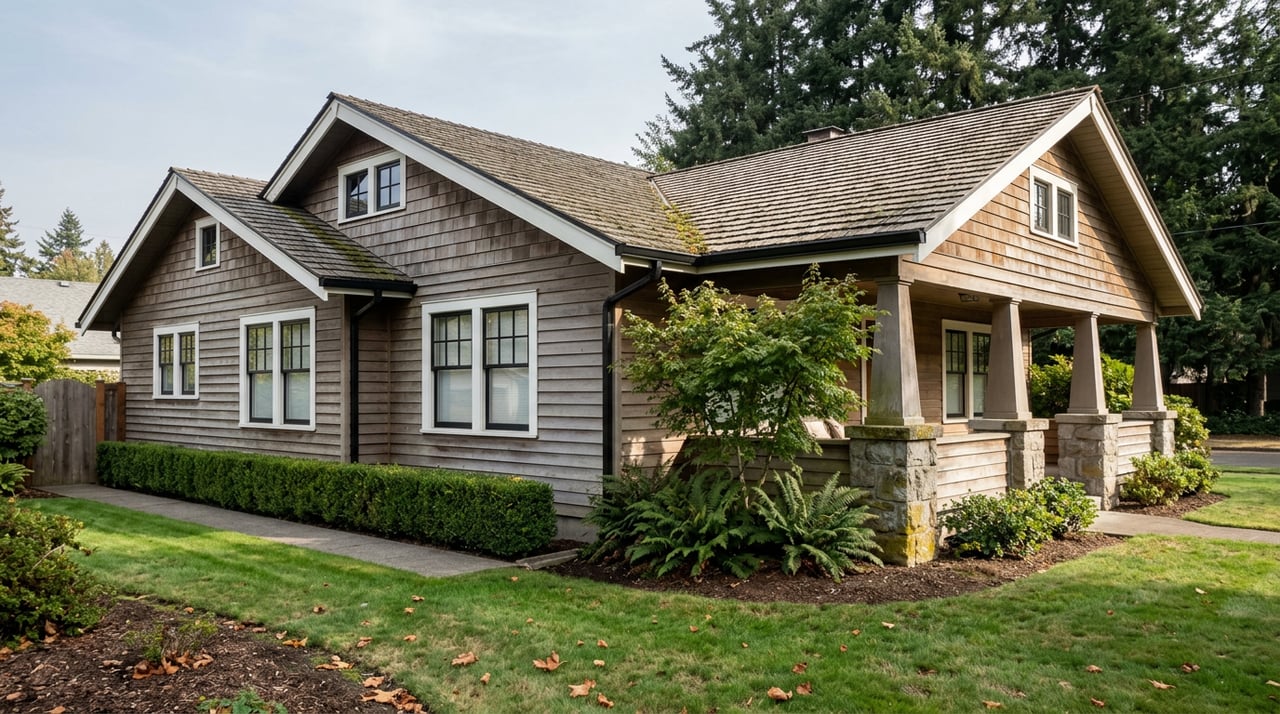
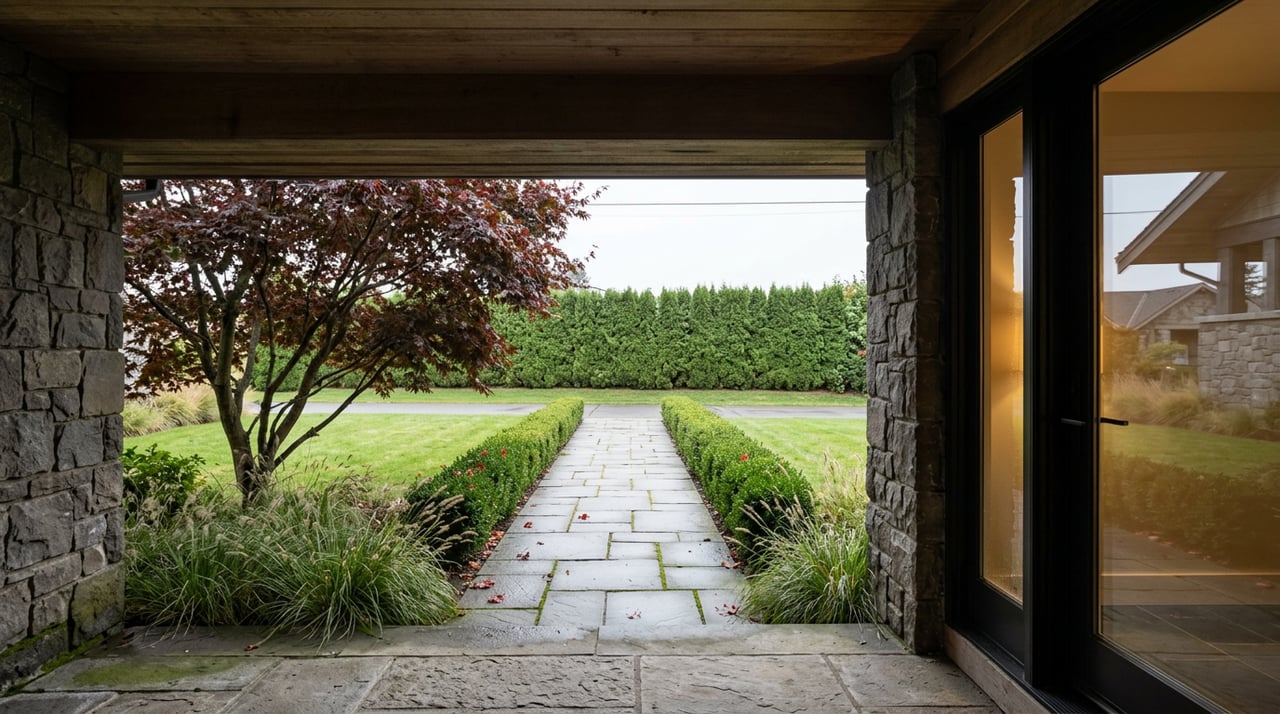
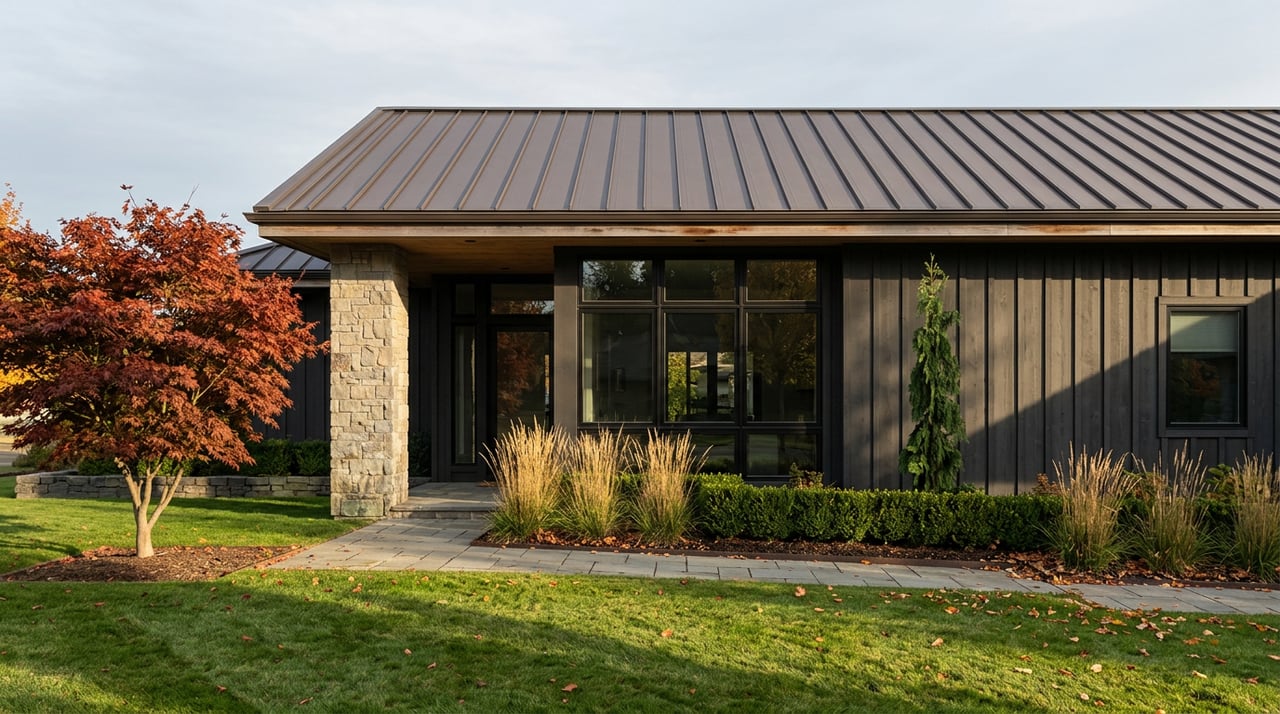
Whether buying, selling, relocating, or navigating a major life transition, Kristin combines expertise, organization, and genuine care to create a seamless experience from start to finish.

3300 NW 185th Ave #96 Portland, OR 97229